
What Is Residual Current Circuit Breaker?
2023-06-05
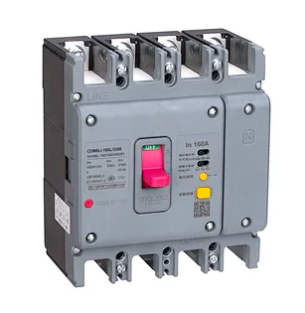
An RCCB (Residual Current Circuit Breaker) is a type of circuit breaker that detects and protects against electrical faults, specifically ground faults or residual currents. It is designed to quickly interrupt the circuit when it detects an imbalance between the incoming and outgoing currents, which could be caused by a fault or current leakage.
An RCBO (Residual Current Circuit Breaker with Overcurrent Protection) combines the functions of an RCCB and an overcurrent circuit breaker in a single device. In addition to providing protection against ground faults or residual currents, an RCBO also offers protection against overcurrents, such as short circuits or excessive load currents.
Both RCCBs and RCBOs are commonly used in residential, commercial, and industrial electrical installations to enhance safety by detecting and disconnecting circuits when potentially dangerous conditions occur. They help protect against electrical shocks and reduce the risk of electrical fires.
How an RCCB works:
Sensing Current: The RCCB continuously monitors the current flowing into and out of a circuit. It does this by using a current transformer, which consists of a primary winding and a secondary winding. The primary winding carries the current of the protected circuit, while the secondary winding is connected to a sensitive detection mechanism.
Balancing Current: In normal operation, the current flowing into the circuit (through the line conductor) should be equal to the current returning from the circuit (through the neutral conductor). This balanced current produces a zero-sum effect on the secondary winding of the current transformer.
Detecting Residual Current: When a fault occurs, such as a ground fault or current leakage, the current returning from the circuit deviates from the expected balanced state. This residual current creates an imbalance in the secondary winding of the current transformer.
Magnetic Sensing: The imbalance in the secondary winding generates a residual current, which induces a magnetic field. The RCCB includes a magnetic tripping mechanism that detects this magnetic field. If the magnetic field exceeds a certain threshold (typically around 30 mA or higher), it triggers the tripping mechanism.
Tripping Action: Once the tripping mechanism is activated, it rapidly disconnects the circuit by opening the contacts of the RCCB. This interruption of the current flow helps prevent electrical shocks and reduces the risk of electrical fires.
Manual Testing and Resetting: RCCBs typically include test and reset buttons to allow for manual testing and verification of their proper functioning. The test button simulates a fault condition by intentionally creating an imbalance in the secondary winding. Pressing the test button should cause the RCCB to trip. The reset button is used to restore power after a tripping event. It is important to regularly test and reset the RCCB to ensure its effectiveness.
The RCCBs have different sensitivity ratings and time-current characteristics, depending on their intended application and the level of protection required. The specific threshold and response time of an RCCB may vary depending on regional electrical codes and standards.
Ring Main Units vs. Traditional Substations
Power Transformers - Enabling Efficient Energy Transmission
Related Article

In the pursuit of energy efficiency and sustainable building practices, Variable Frequency Drive (VFD) systems have emerged as transformative solutions, particularly in Heating, Ventilation, and Air Conditioning (HVAC) applications. This article explores the key benefits of implementing VFD systems in HVAC and how they contribute significantly to energy savings.
What are the key benefits of implementing a VFD system in HVAC

In the vast and interconnected realm of electricity, the role of distribution systems is akin to the circulatory system in the human body. These systems form the critical link between the colossal power generated at plants and the humble light bulb in your living room, ensuring a seamless and efficient flow of electricity to communities worldwide.
Electric power distribution systems

Switchgear burnout is a complex issue, and it can result from a multitude of factors and conditions. Gaining insight into these causes is essential for the preservation of your electrical infrastructure.
Delixi - What Might Causes the Switchgear Burnout
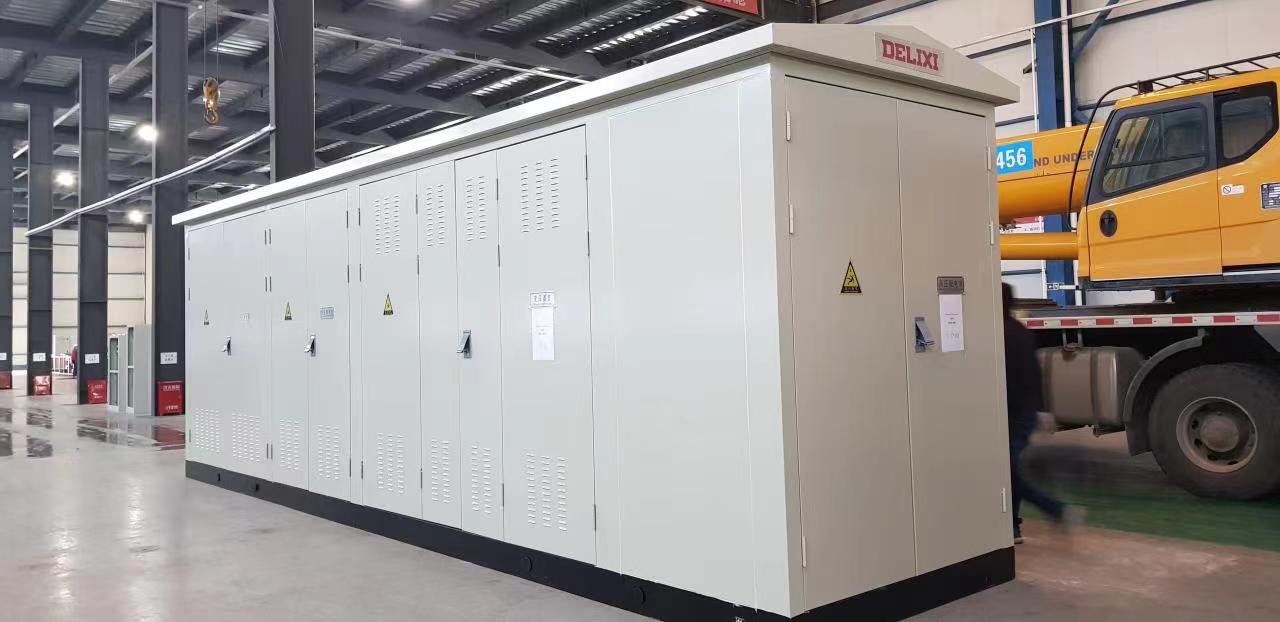
The prefabricated compact substation is a type of comprehensive distribution equipment set that integrates medium voltage switchgear, low voltage switchgear, distribution transformer, energy metering devices, and reactive power compensation devices. It is designed to be assembled into one or multiple units based on a specific wiring scheme.
The prefabricated compact substation