

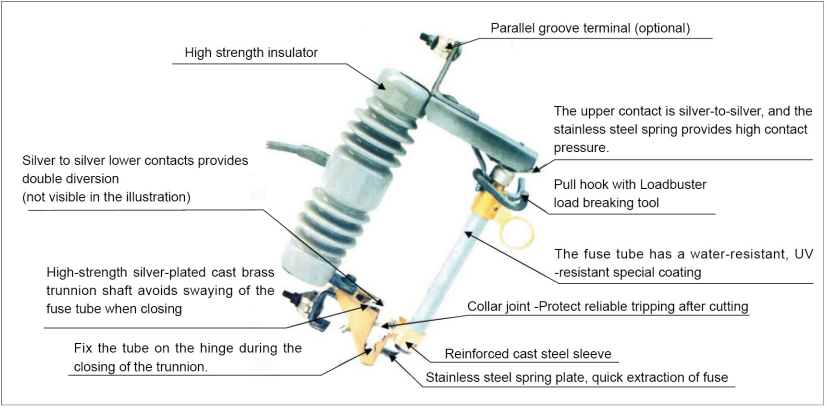
RW12 Series 24KV Drop-out Fuse
When the drop out fuse is in normal operation, the fuse tube is tensioned by the fuse to form a closed position.When the system fails, the fault current causes the fuse to melt quickly and form an arc. The arc extinguishing tube is heated by the arc, decomposing a large amount of gas, forming a high pressure inside the tube, forming a longitudinal blow along the pipe, and the arc is rapidly elongated and extinguished.After the fuse being blown, the lower moving contact loses tension and turns down, locking the initial machine, releasing the fuse tube, and the fuse tube falling, forming an obvious breaking position.When the load needs to be pulled, use the insulation rod to pull the movable contact.At this time, the active and static contacts are still in contact, and the active and auxiliary contact is continued by the insulating rod, and an arc is generated between the auxiliary contacts, the arc elongated in the slit of the shield, and the arc extinguishing cover being generated the gas, which extinguishes the arc when the current crosses zero.
Fuse Link …“KB、KU、KS” type
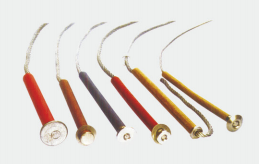
Types and Applications
"KB, KU, KS"type belong to"K"and"T"type fuse links. According to I EC-282 standard, there are three types: common type, universal type and threaded type. The fuse 24 is suitable for 11~33kV voltage class drop-out fuse.
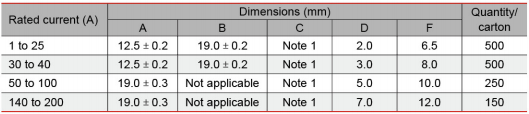
Technical data
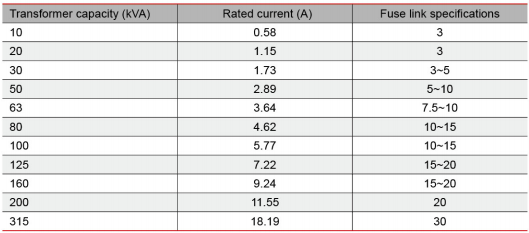
Fuse link selection
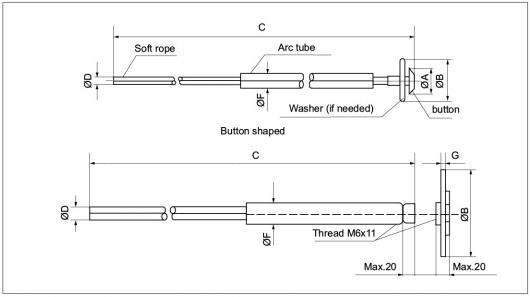
Structure size
Order information
1. Product model, name, rated voltage, rated current, and rated breaking current;
2. Environmental requirements (anti-pollution type, highland type);
3. Special requirements can be talked with the manufacturer.
RW12-24KV drop-out fuse (Export-type)
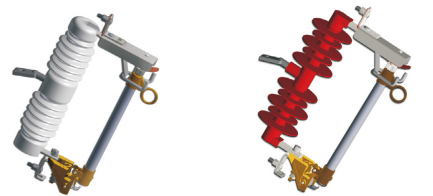

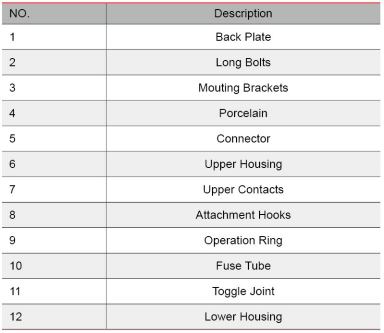
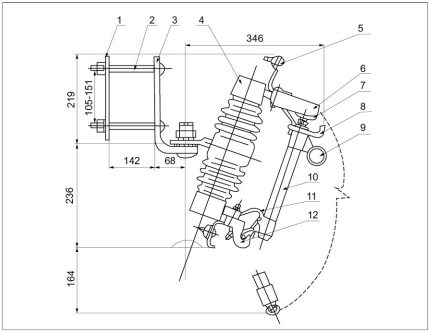
Drop-out fuse Installation diagram (Export-type)
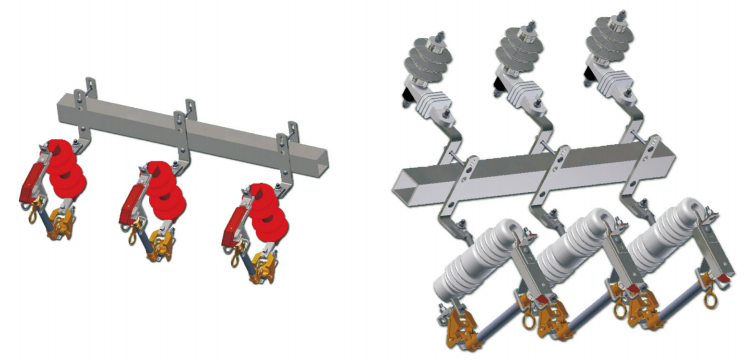
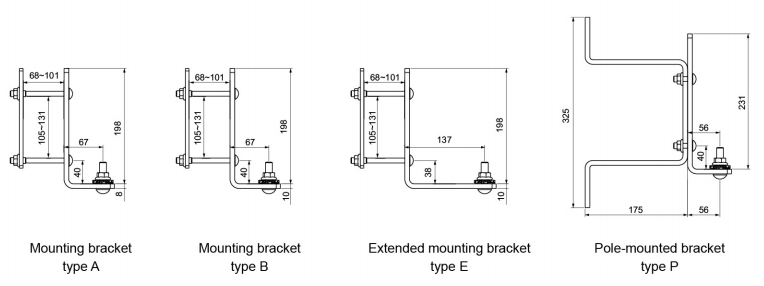
Drop-out fuse mounting bracket (Export-type)