How to connect DLX BK control transformer?
2022-08-17
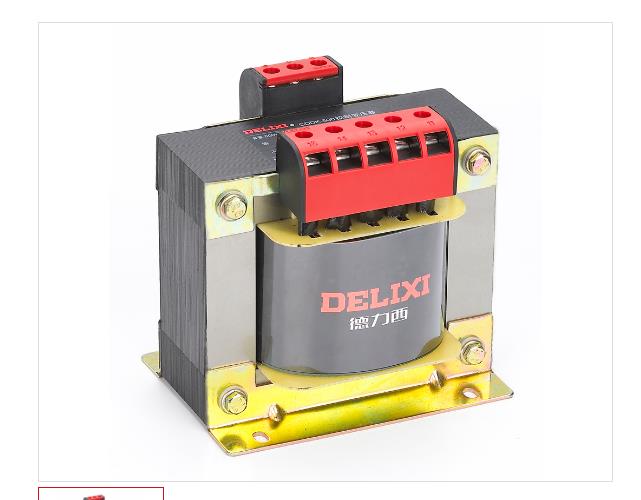
First, how to connect the BK control transformer
The input end of the BK control transformer is connected to 380V, and any two phases can be connected to the terminal post 380 and 0. The control transformer is mainly suitable for AC 50Hz(or 60Hz), voltage 1000V and below the circuit.
The number of the two groups of transformer coils is N1 and N2 respectively, N1 is the primary and N2 is the secondary. An AC voltage is applied to the primary coil and an induced electromotive force is generated at both ends of the secondary coil. When N2>N1, its induced electromotive force is higher than the primary voltage added, this transformer is called boost transformer; When N2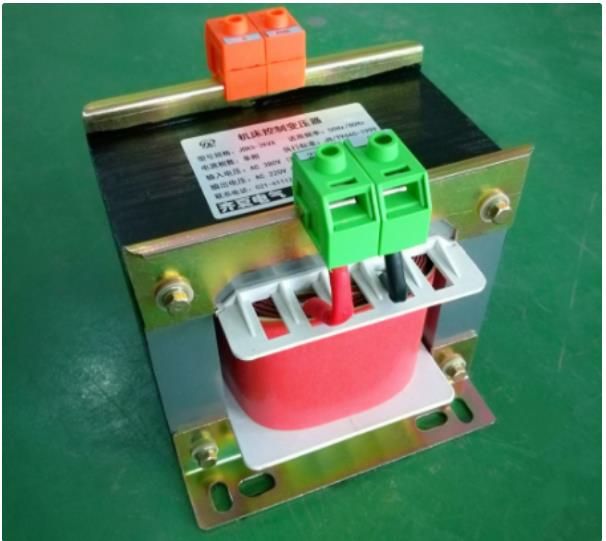
2. Wiring diagram of BK control transformer
The BK control transformer works on the principle of electromagnetic induction. A transformer has two sets of coils. Primary coil and secondary coil. The secondary coil is outside the primary coil. When the primary coil is connected with alternating current, the transformer core generates alternating magnetic field, and the secondary coil generates induced electromotive force. The turn ratio of the coils in Satons transformers is equal to the voltage ratio. The control transformer is used to change the setting of AC voltage. It is made of iron core and coil wire.
The control transformer is mainly suitable for AC 50Hz(or 60Hz), voltage 1000V and below the circuit, can work continuously for a long time under rated load. Usually used in machine tools, mechanical equipment as electrical control lighting and indicator power.
The input end of the BK control transformer is connected to 380V, and any two phases can be connected to the terminal post 380 and 0. The control transformer is mainly suitable for AC 50Hz(or 60Hz), voltage 1000V and below the circuit.
The number of the two groups of transformer coils is N1 and N2 respectively, N1 is the primary and N2 is the secondary. An AC voltage is applied to the primary coil and an induced electromotive force is generated at both ends of the secondary coil. When N2>N1, its induced electromotive force is higher than the primary voltage added, this transformer is called boost transformer; When N2
2. Wiring diagram of BK control transformer
The BK control transformer works on the principle of electromagnetic induction. A transformer has two sets of coils. Primary coil and secondary coil. The secondary coil is outside the primary coil. When the primary coil is connected with alternating current, the transformer core generates alternating magnetic field, and the secondary coil generates induced electromotive force. The turn ratio of the coils in Satons transformers is equal to the voltage ratio. The control transformer is used to change the setting of AC voltage. It is made of iron core and coil wire.
The control transformer is mainly suitable for AC 50Hz(or 60Hz), voltage 1000V and below the circuit, can work continuously for a long time under rated load. Usually used in machine tools, mechanical equipment as electrical control lighting and indicator power.
Precautions for DELIXI fuse use
circuit breaker
Related Article

In the pursuit of energy efficiency and sustainable building practices, Variable Frequency Drive (VFD) systems have emerged as transformative solutions, particularly in Heating, Ventilation, and Air Conditioning (HVAC) applications. This article explores the key benefits of implementing VFD systems in HVAC and how they contribute significantly to energy savings.
What are the key benefits of implementing a VFD system in HVAC

The dynamic and rapidly evolving energy landscape is undergoing a profound shift, primarily propelled by advancements in technology, a collective commitment to sustainability goals, and the imperative for establishing a resilient and efficient power infrastructure.
Top Transmission and Distribution Companies

In the vast and interconnected realm of electricity, the role of distribution systems is akin to the circulatory system in the human body. These systems form the critical link between the colossal power generated at plants and the humble light bulb in your living room, ensuring a seamless and efficient flow of electricity to communities worldwide.
Electric power distribution systems