Brief Introduction of Disconnector -- What is a disconnector?
2022-06-07
There are many kinds of diconnector, and we divide the normally used types into two: HV Disconnector, LV Disconnector.
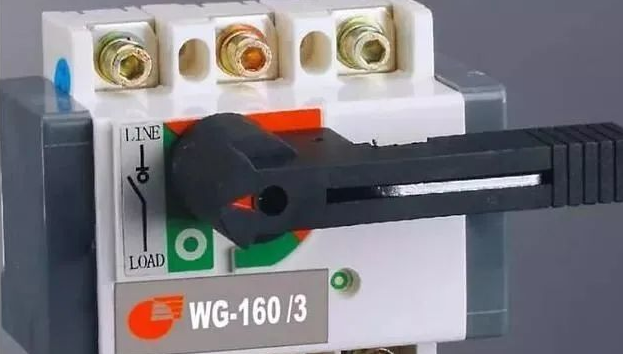
The figure above shows the low-voltage disconnector, which is mainly used in low-voltage power distribution cabinets and power cabinets.
The figure below shows the high-voltage disconnector, which is mainly used in 10KV or higher voltage power distribution system.
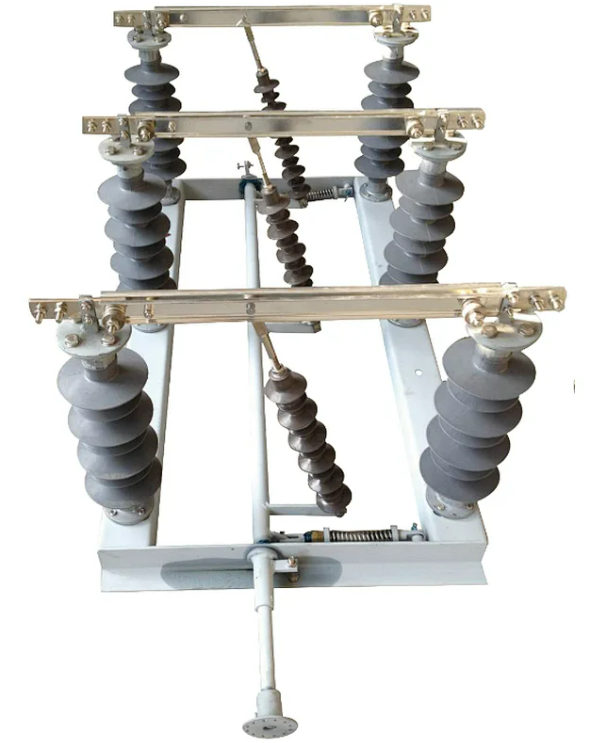
The disconnector can be opened and closed manually or through the lever principle manually or by decelerating with a reducer manually or electrically.
The main characteristics and functions of electrical disconnector are; It has a significant break gap (break point), so it is mainly used to isolate the power supply, ensure the safety of overhaul work, and can break the current in the line. In addition, because it does not have a special arc extinguishing device, so in the case of load is not completely disconnected, with the load to cut off the load current, but can not use it to cut off the short circuit current. The main functions of the disconnecting switch are as follows.
1. In the maintenance of high and low voltage electrical equipment, the isolation switch is used to separate the parts with electricity and no electricity, forming an obvious disconnect point, so that the maintenance equipment and power system input from the large electricity separate, to ensure the safety of maintenance staff and electrical equipment.
2. Isolating switch and circuit breaker cooperate with each other to reverse the operation, in order to change the operation mode.
1) For the double bus with bypass wiring, when a certain outlet unit circuit breaker because of other reasons, the opening and closing lock, with bypass circuit breaker with other operation, can use the isolation switch parallel circuit;
2) For a half-open connection, when a series circuit breaker appears opening and closing locking, you can use the isolation switch to untie the ring (but note that all other series circuit breakers must be in the closing position);
3) For the double-bus single section wiring mode, when two bus circuit breakers and a circuit breaker in the section circuit breaker open and close the lock, you can use the isolation switch to disconnect the circuit.
3. Used to break the relatively small current loop and bypass, loop loop current;
1) Pull and close the voltage transformer;
2) The capacitive current of the bus and the equipment directly connected to the bus;
3) No-load transformer excitation current below 2A;
4) Impulse current of no-load line below 5A.
The figure above shows the low-voltage disconnector, which is mainly used in low-voltage power distribution cabinets and power cabinets.
The figure below shows the high-voltage disconnector, which is mainly used in 10KV or higher voltage power distribution system.
The disconnector can be opened and closed manually or through the lever principle manually or by decelerating with a reducer manually or electrically.
The main characteristics and functions of electrical disconnector are; It has a significant break gap (break point), so it is mainly used to isolate the power supply, ensure the safety of overhaul work, and can break the current in the line. In addition, because it does not have a special arc extinguishing device, so in the case of load is not completely disconnected, with the load to cut off the load current, but can not use it to cut off the short circuit current. The main functions of the disconnecting switch are as follows.
1. In the maintenance of high and low voltage electrical equipment, the isolation switch is used to separate the parts with electricity and no electricity, forming an obvious disconnect point, so that the maintenance equipment and power system input from the large electricity separate, to ensure the safety of maintenance staff and electrical equipment.
2. Isolating switch and circuit breaker cooperate with each other to reverse the operation, in order to change the operation mode.
1) For the double bus with bypass wiring, when a certain outlet unit circuit breaker because of other reasons, the opening and closing lock, with bypass circuit breaker with other operation, can use the isolation switch parallel circuit;
2) For a half-open connection, when a series circuit breaker appears opening and closing locking, you can use the isolation switch to untie the ring (but note that all other series circuit breakers must be in the closing position);
3) For the double-bus single section wiring mode, when two bus circuit breakers and a circuit breaker in the section circuit breaker open and close the lock, you can use the isolation switch to disconnect the circuit.
3. Used to break the relatively small current loop and bypass, loop loop current;
1) Pull and close the voltage transformer;
2) The capacitive current of the bus and the equipment directly connected to the bus;
3) No-load transformer excitation current below 2A;
4) Impulse current of no-load line below 5A.
How can a Zinc-Oxide Lighting Arrestor achieve lighting-protection?
What are the differences among Disconnector, Circuit Breaker and Load Switch?
Related Article
In the pursuit of energy efficiency and sustainable building practices, Variable Frequency Drive (VFD) systems have emerged as transformative solutions, particularly in Heating, Ventilation, and Air Conditioning (HVAC) applications. This article explores the key benefits of implementing VFD systems in HVAC and how they contribute significantly to energy savings.
What are the key benefits of implementing a VFD system in HVAC
The dynamic and rapidly evolving energy landscape is undergoing a profound shift, primarily propelled by advancements in technology, a collective commitment to sustainability goals, and the imperative for establishing a resilient and efficient power infrastructure.
Top Transmission and Distribution Companies
In the vast and interconnected realm of electricity, the role of distribution systems is akin to the circulatory system in the human body. These systems form the critical link between the colossal power generated at plants and the humble light bulb in your living room, ensuring a seamless and efficient flow of electricity to communities worldwide.
Electric power distribution systems